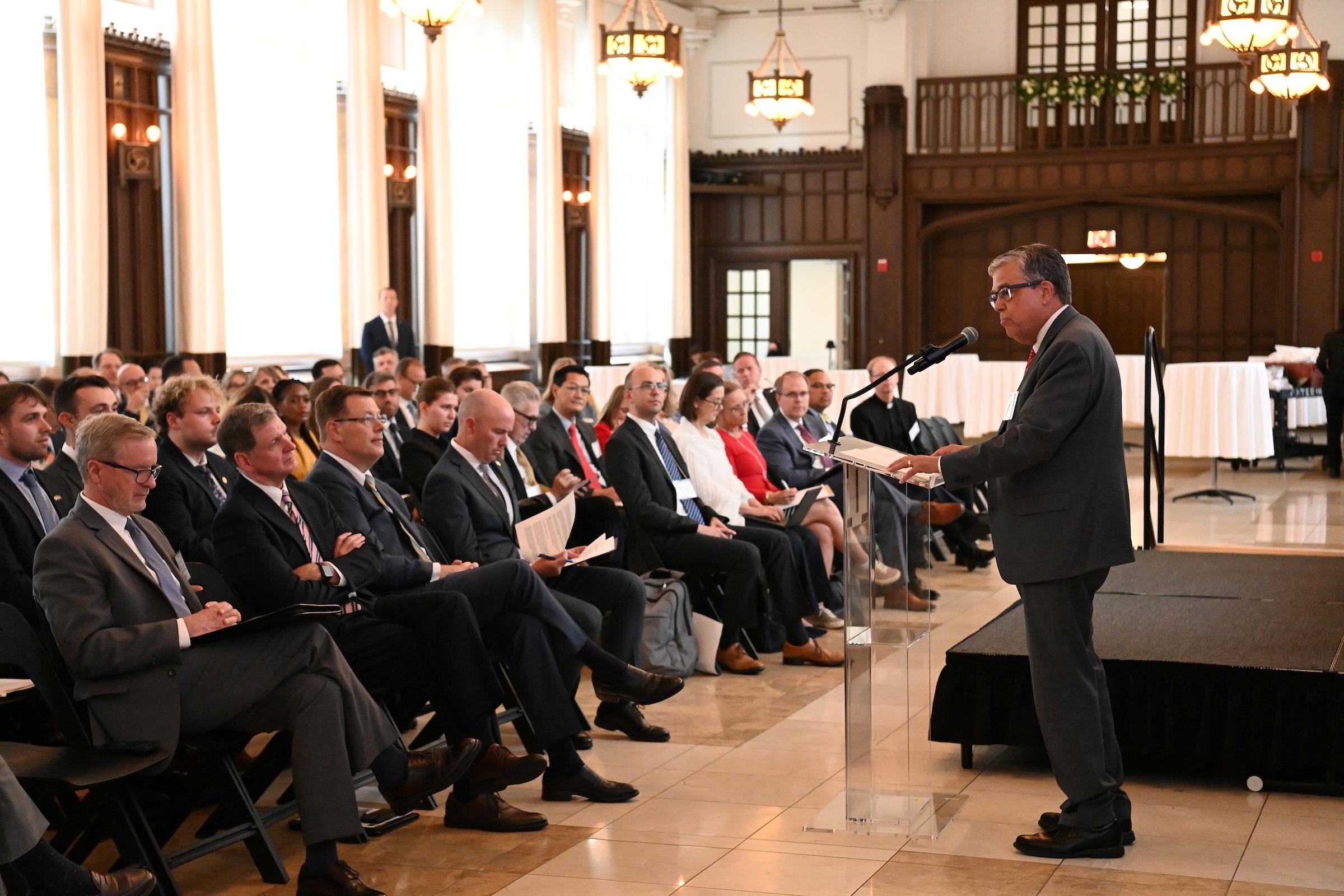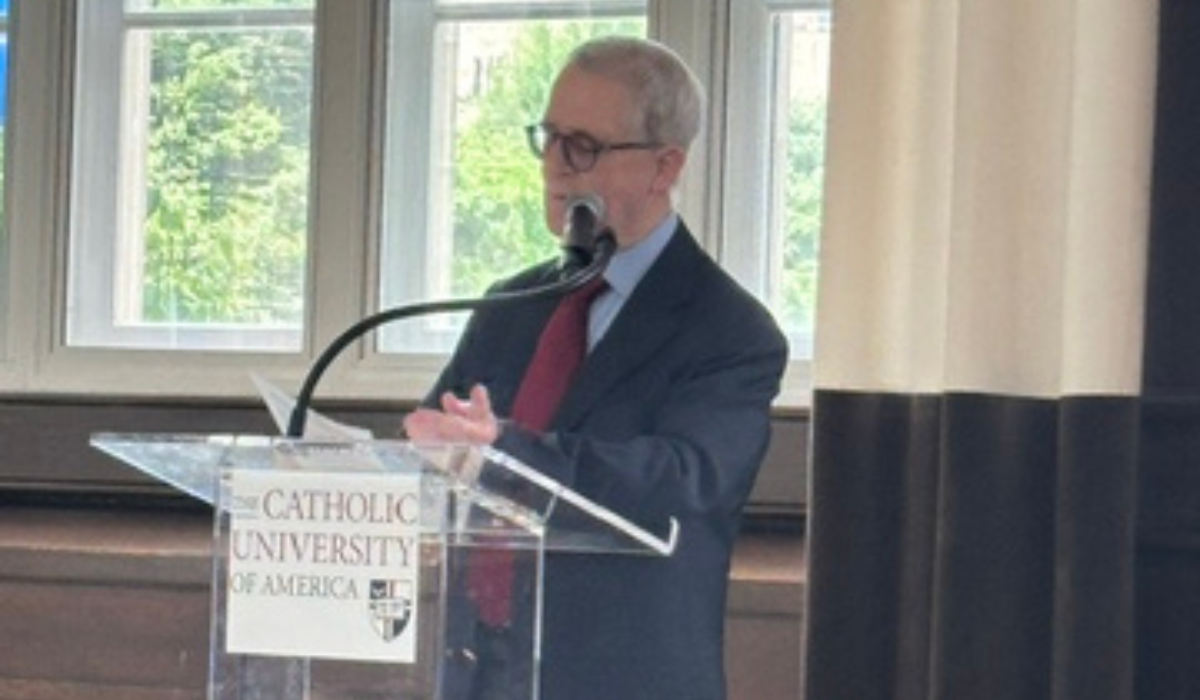
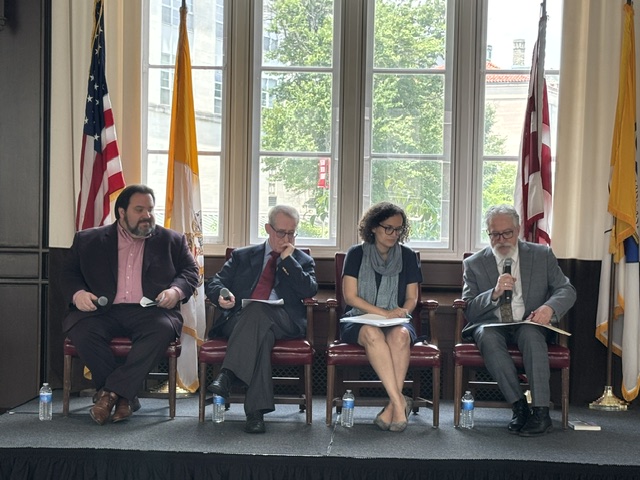
A June 11 campus conversation sparked by a new Catholic University of America Press book, Can AI Ever be Human? Consciousness Explored, turned into something far bigger: a wide-ranging dialogue about artificial intelligence, human dignity, and the soul of a new papal encyclical.
Author Paul O’Hara joined Catholic University scholars for the event, sponsored by the University’s Leonum Institute for AI and Emerging Technologies. The conversation quickly expanded to include Pope Leo XIV’s newly released Magnifica Humanitas: On Safeguarding the Human Person in the Time of Artificial Intelligence.
“There is a consciousness, an ‘I’ at the center of our quest," O’Hara said. While AI “expands our horizontal repertoire of knowledge and simulates many aspects of intelligence… simulation is not the same as being, nor is it even consciousness.”
A Call to Evangelization
H. Joseph Yost, senior vice provost for research, saw a striking symmetry between the book and the encyclical — both grounded in Catholic anthropology rather than technical debate.
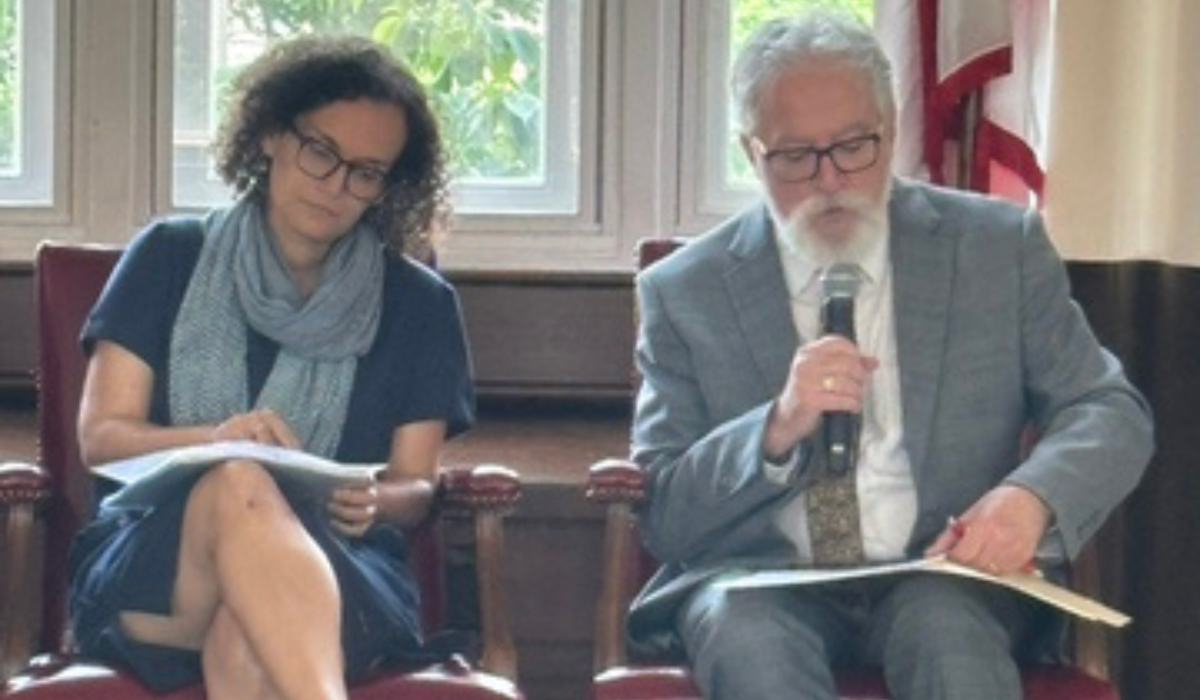
“The encyclical didn’t go deeply into ‘what is this thing called AI,’ but into what it means to be a human being,” he said. “There is an urgent call to respond, as...people in Silicon Valley are asking, for the first time: What does it mean to be human?”
Charles Camosy, associate professor of moral theology and ethics, has participated in convenings Anthropic organized with religious scholars and sees both opportunity and resistance ahead.
“I foresee significant pushback, more on the emotional level,” Camosy said, pointing to paragraph 99 of the encyclical, which makes definitive claims about what AI is and is not. For those who work closely with AI models, that paragraph can sting. “It can make people emotional, and even angry.”
What AI Cannot Do
Pope Leo writes that AI systems “may imitate language, behavior and analytical skills, or even simulate empathy and understanding, but they do not understand what they produce, for they lack the affective, relational and spiritual perspective through which human beings grow in wisdom” (no. 99).
O’Hara illustrated the point through music: AI can replicate pleasing sound based on response patterns, but it cannot determine what is good. Humans assign meaning through intelligence, experience — and love.
People in Silicon Valley are asking, for the first time: What does it mean to be human?”
Yost, a genetics researcher, added that biological embodiment is "a really important part of being a human being." Camosy pushed further, warning against the transhumanist impulse to reduce persons to cognitive function.
“This is an opportunity to plant our metaphysical flag," he said. “We are not primarily ‘thinking things.’ We are creatures made to love and be loved.”