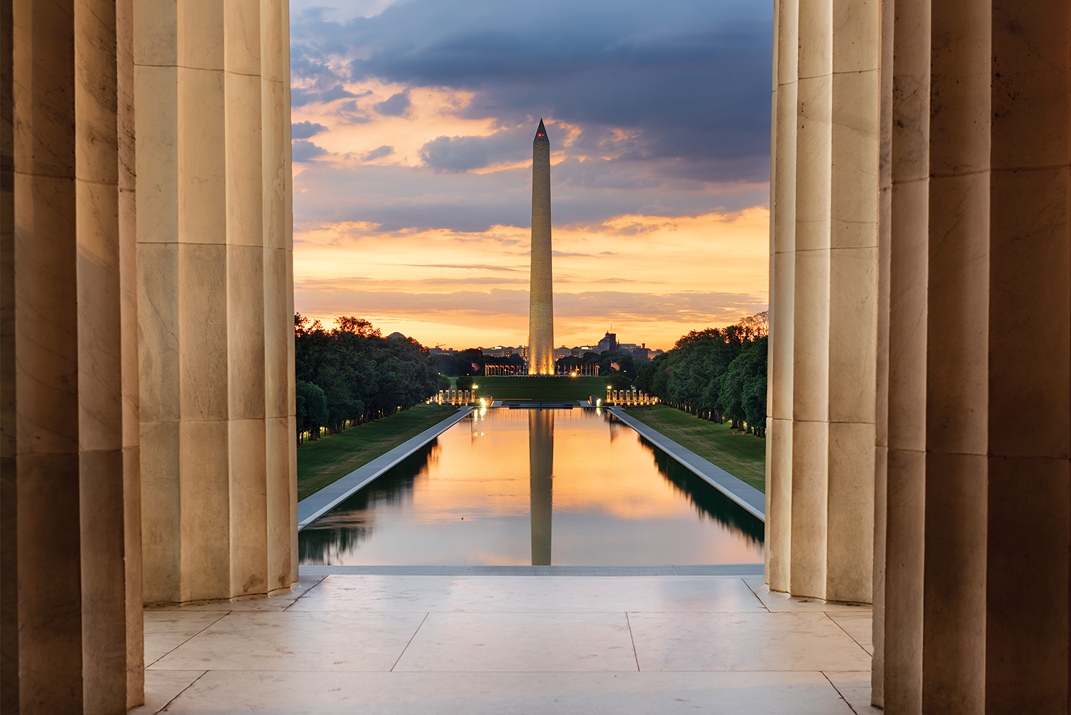
When we convened our first concept meeting for this edition, we had grand aspirations. This issue would focus on an “America at 250” theme — and there were so many stories we wanted to tell!
But with all that ambition and so much we could cover to encapsulate where we stand at this point in history as both a nation and a University, we needed to narrow down our scope. And that is what we bring to you within these pages.
As the daughter of a Northern Irish immigrant, this issue has particular value for me. When I look at my father and what becoming an American citizen has meant to him — opportunities to have an astronomy career and to join “the race for space” and contribute to NASA’s work exploring the universe — I am reminded of the dreams and possibilities the United States has offered to millions of people around the world since 1776.
And with The Catholic University of America’s story spanning 139 years of that 250-year timeframe, there are so many inroads to explore. Alongside the founders of the United States, the Catholic Church played an essential role in the Great Experiment, especially as she championed the freedom of religion. How that shaped national conversations, particularly in the space of higher education, was evident in the founding of the University in 1887, at the charge of Leo XIII.
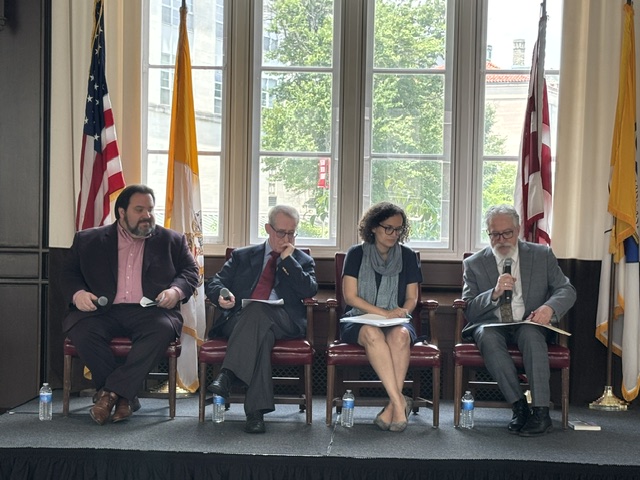
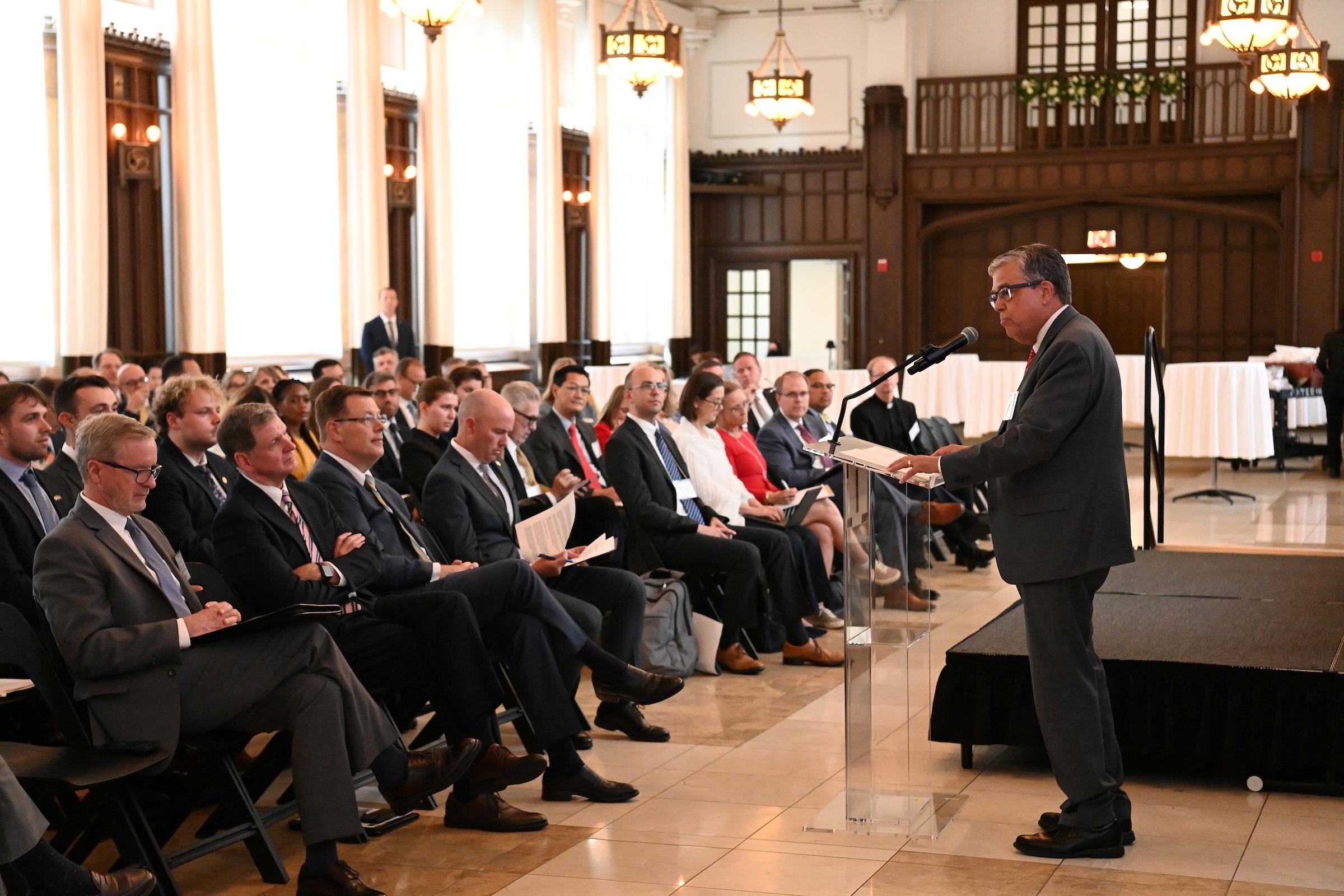
This edition (being finite) can only cover a few of the top stories of Catholic University’s contributions to building up our country. Several others have been told in the impactful events this past spring — from the Center for the Constitution and the Catholic Intellectual Tradition’s April conference, “Endowed by Their Creator: Catholicism, the Declaration of Independence, and the American Experiment at 250” to the inaugural Leo Lecture that explored what it means to be fully Catholic and fully American. (Watch the YouTube short on the Leo Lecture here.)
May one or more of our stories inspire you to pause, reflect on where our country and institution have been, and look with hope to where we are going. With God’s grace and in the ever-renewing life of our University, may that journey be one that is both faithful and free.
— Kathryn Mullan