Close Search Menu

Let Us Help

Catholic Architect Makes the Case for Faith-Informed Design

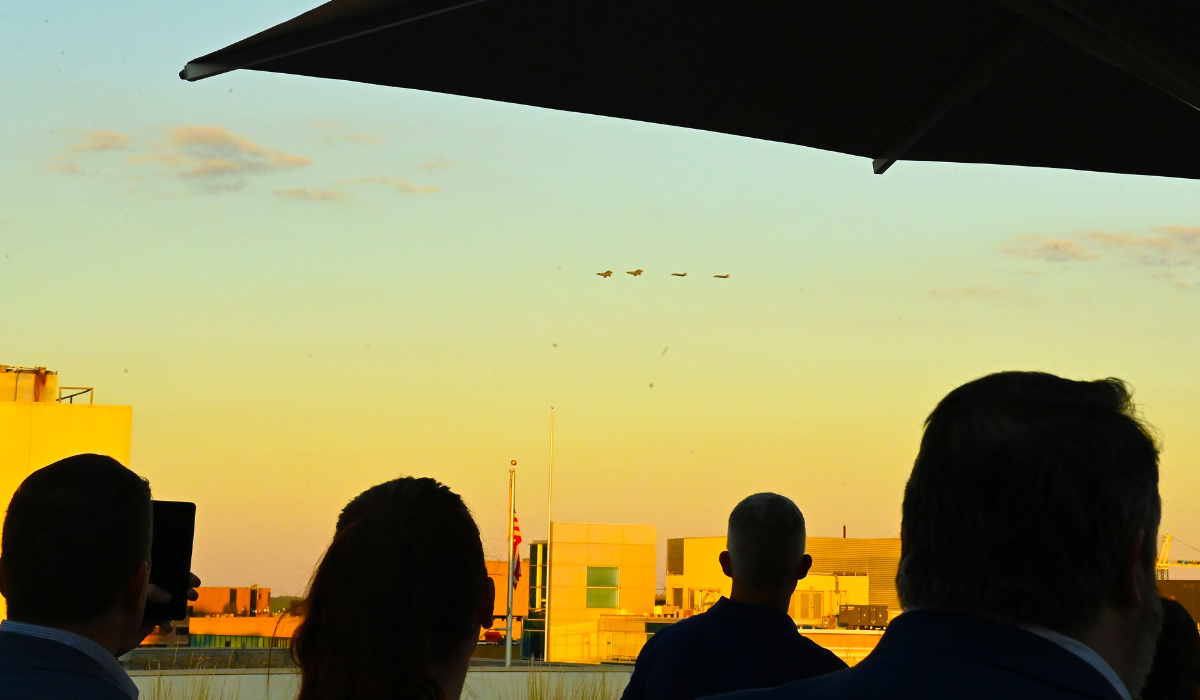
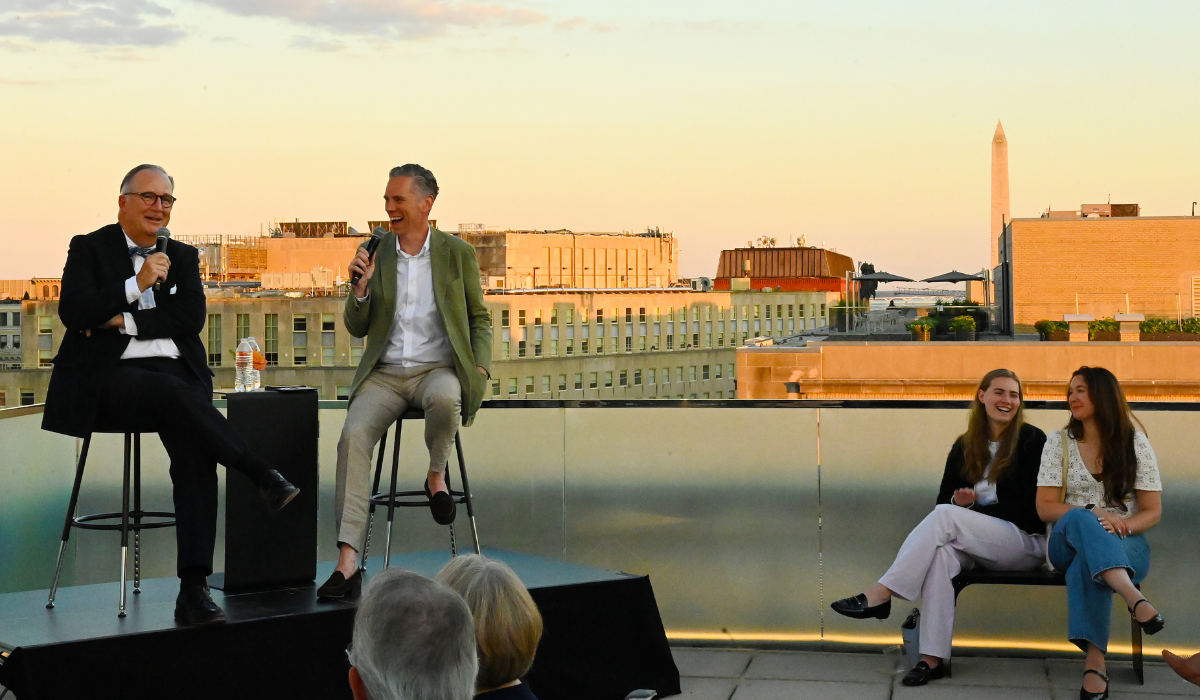
James McCrery speaking at sunset event on rooftop
James McCrery was interviewed by art critic William Newton at the CIC, in a wide-ranging discussion on art, faith, and lessons-learned -- after decades working as one of the country’s top architects and as a professor at The Catholic University of America. (Patrick G. Ryan/Catholic University)

James C. McCrery II, one of the country’s foremost practicing classical architects, shared how he’s mentoring students to design buildings informed by the Catholic imagination. The June 24 speaking engagement was hosted by the Catholic Information Center, a hub for Washington, D.C., professionals that he revamped in 2022 with a more traditional design.   

Through his experience designing high-profile projects while teaching as associate professor and director of studies in classical and traditional architecture at Catholic University's School of Architecture and Allied Arts, McCrery explained that he has discovered parallels between building sacred spaces and forming young people.

“It takes about four years to design and build a church and four years to form the minds of young people who are assigned to you by God and their parents to educate them,” McCrery said. It is one thing for an architect to be a pious Christian, he explained, and it is another to develop the skill sets to serve God and His creation through this important craft.

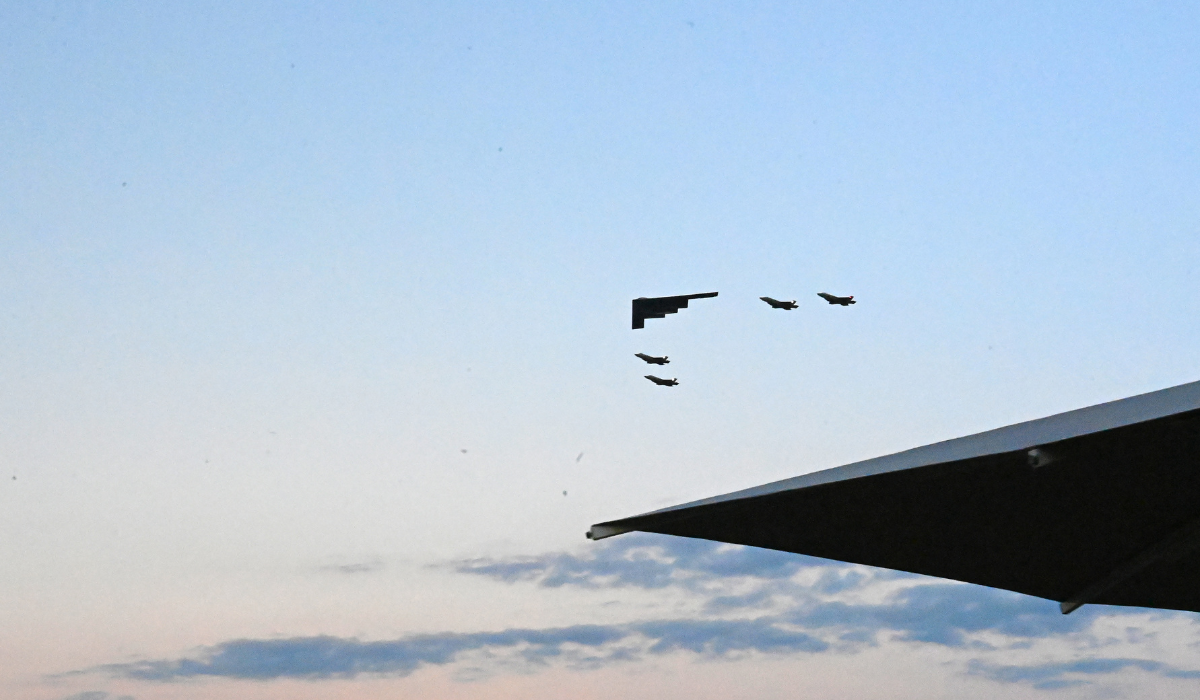
During this evening on the rooftop, attendees enjoyed a very D.C. moment: aircraft flybys in celebration of America’s 250. 
Student Story

The Catholic University of America celebrates both skill and faith in a complementary way. Master of Architecture student Paul Zepeda, who attended the CIC rooftop conversation, said that from the beginning, when he was first exploring programs, McCrery, who is now his thesis advisor, has been an important mentor. 

“He’s the figurehead of the program, and his work is the most visible and readily accessible for people looking into what classical architecture is today,” said Zepeda. “The program as a whole is very much rooted in Catholic pursuit of truth. I didn’t even apply elsewhere.” In particular, he said a big draw for him was that the program doesn’t require previous architectural studies. 

Zepeda received a prestigious fellowship through a partnership between the School of Architecture and Allied Arts and David M. Schwarz Architects. The ten-week paid internship at the D.C. firm’s office also provided travel opportunities to Istanbul, Venice, Ravenna, and Paris to conduct independent research on the development of Byzantine and Western architecture. 

--

One of the key elements of the M.A. in architecture approach is exploring the inherited traditions from centuries of Christian artists. McCrery said his goal is for his students to “learn how to create buildings that stand forth as excellent works of architecture” and to create spaces that are functional and beautiful. He said many architects design interesting buildings for other architects, but his goal is to create compelling secular and sacred spaces for the wider public. 

“I design for the polis. Especially through churches, I design for people to come to know the faith, love the Church, live in it, and come to love Christ and the Most Holy Trinity,” said McCrery. 

McCrery began his career with the expectation that commercial buildings would be his bread and butter, but God had other plans. After his McCrery Architects design of St. Mary, Help of Christians Church in Aiken, South Carolina, quickly became known as a masterwork of modern classical architecture, the demand for sacred spaces has only grown. 

“If you offer yourself and your talents back to God, you better stand back...because that wave is coming," he said. "It came – and it just hasn’t stopped."

Related News

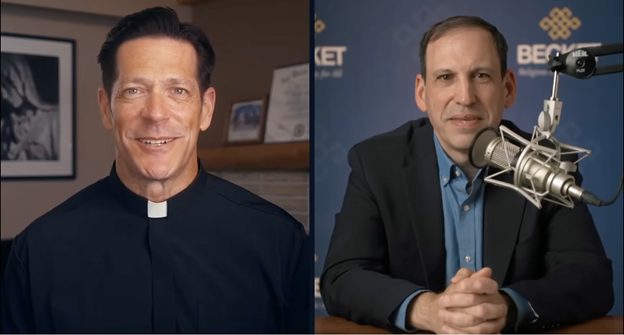
  • Fr. Mike Schmitz on podcast with Professor Mark Rienzi

    Mark Rienzi, Law Professor/Becket Fund CEO, on Fr. Mike Schmitz’s “Called” Podcast

    How can the legal profession build up the kingdom of God? Mark Rienzi, law professor at The Catholic University of America and CEO of the Becket Fund, recently explored this question with Fr. Mike Schmitz on the popular “Called” podcast.

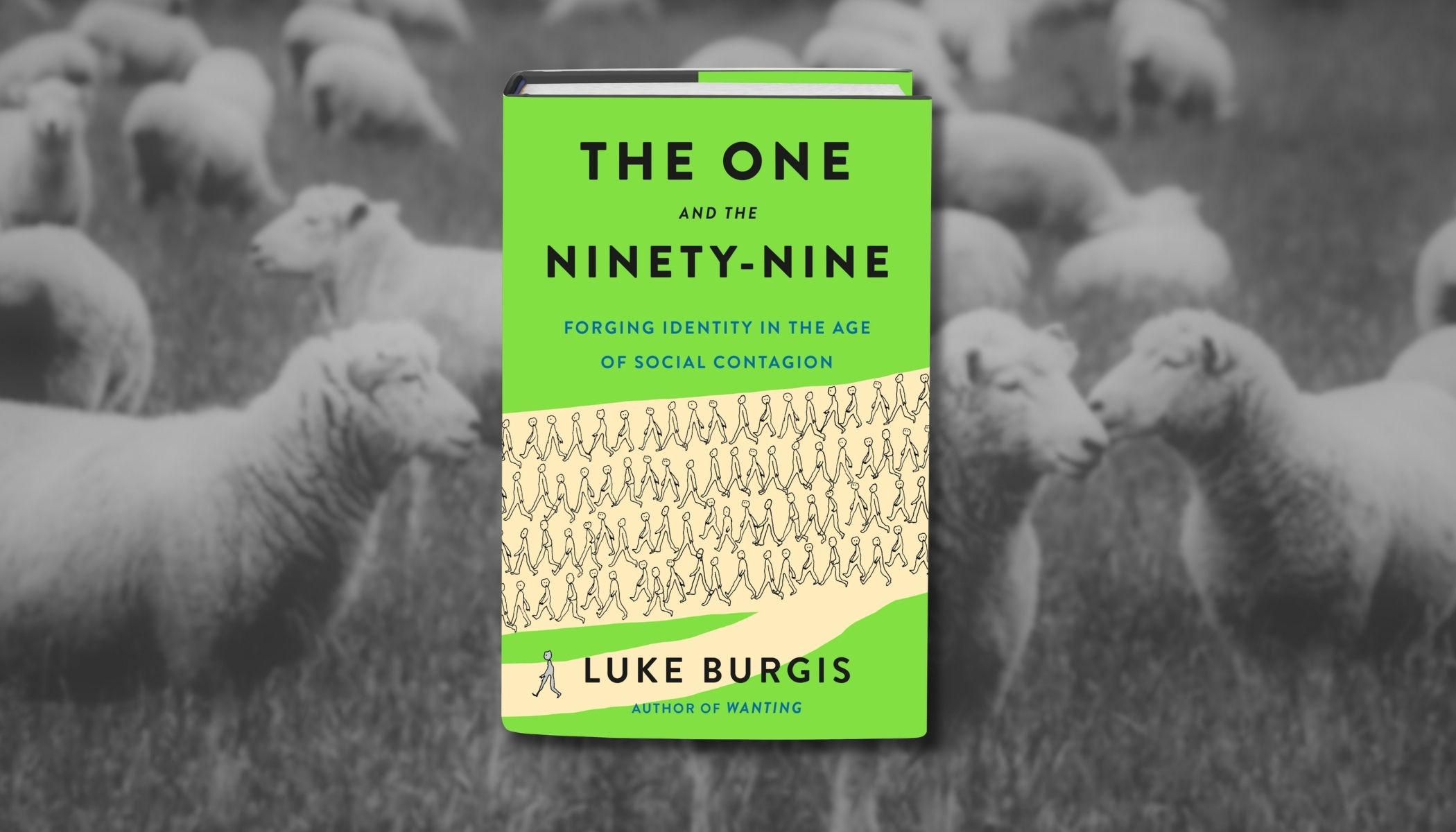
  • The One and the Ninety-Nine cover art with sheep in the background

    Lost Sheep and Solid Selves: Luke Burgis on 'The One and the Ninety-Nine'

    Luke Burgis, assistant clinical professor of business in the Busch School, discusses the motivations behind his latest book, published June 16, 2026 by St. Martin's Press. "It isn’t a business book. It isn’t self-help. It’s a book for people who want to understand how a personal vocation can be lived in a world that might not understand it, and might even be actively hostile to your living it out."

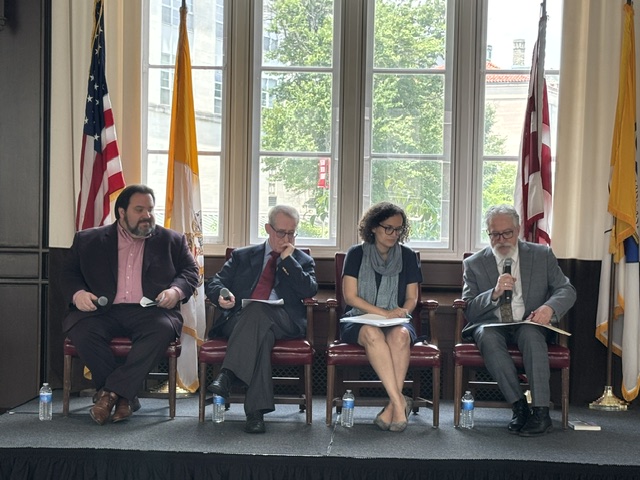
  • Presenters at AI book talk meeting

    Can AI Ever Be Human?

    A June 11 campus conversation sparked by a new Catholic University of America Press book, Can AI Ever be Human? Consciousness Explored, turned into something far bigger: a wide-ranging dialogue about artificial intelligence, human dignity, and the soul of a new papal encyclical.